
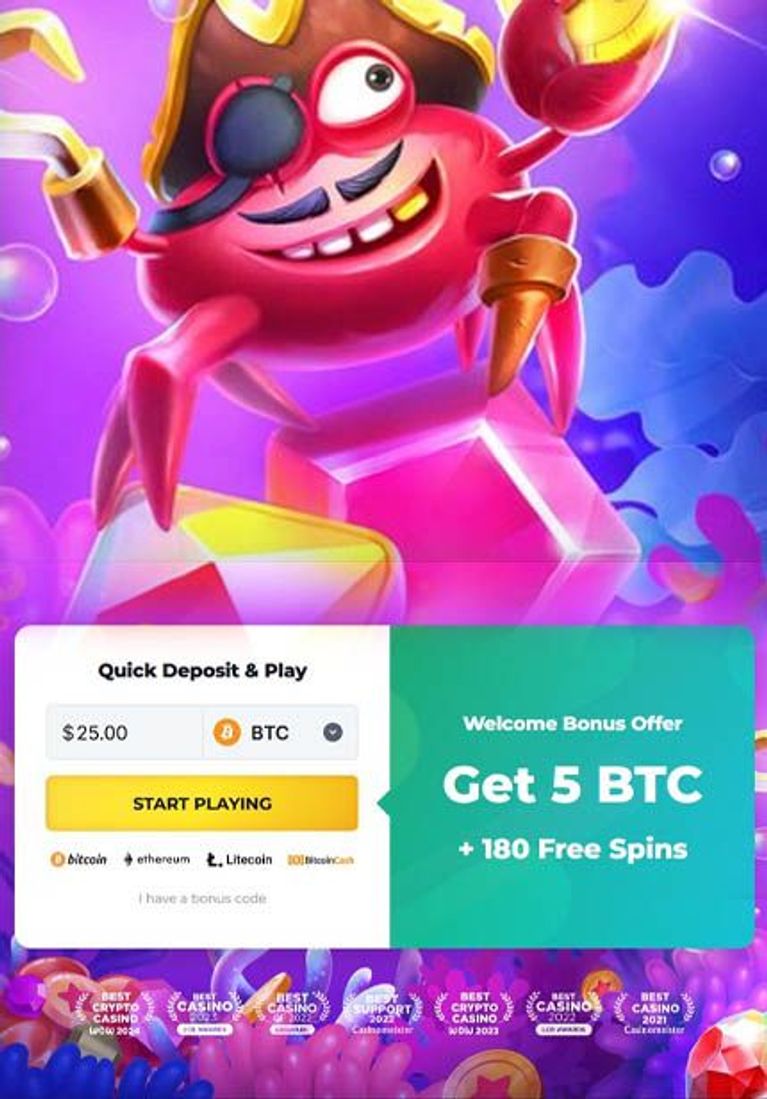
Up to:$3,000.00
Recent Winners
- Sid C.·€7,530.69·10/18/2026
- Donald B.·$7,063.47·10/18/2026
- Caleigh P.·$8,794.20·10/18/2026
- Lavern C.·$2,724.23·10/18/2026
- Lottie M.·₿0.038357·10/17/2026
- Lora G.·₿0.066954·10/17/2026
- Edgar H.·€2,279.85·10/17/2026
- Beulah W.·€3,540.02·10/16/2026
- Una S.·€1,606.49·10/16/2026
- Adeline W.·$4,818.81·10/16/2026
- Rossie Z.·$793.37·10/16/2026
- Johnny K.·€658.55·10/16/2026
- Deion G.·€1,588.04·10/16/2026
- Emil O.·$3,380.15·10/15/2026
- Candido L.·₿0.082957·10/15/2026
- Maya B.·€1,394.59·10/15/2026
- Sid C.·€7,530.69·10/18/2026
- Donald B.·$7,063.47·10/18/2026
- Caleigh P.·$8,794.20·10/18/2026
- Lavern C.·$2,724.23·10/18/2026
- Lottie M.·₿0.038357·10/17/2026
- Lora G.·₿0.066954·10/17/2026
- Edgar H.·€2,279.85·10/17/2026
- Beulah W.·€3,540.02·10/16/2026
- Una S.·€1,606.49·10/16/2026
- Adeline W.·$4,818.81·10/16/2026
- Rossie Z.·$793.37·10/16/2026
- Johnny K.·€658.55·10/16/2026
- Deion G.·€1,588.04·10/16/2026
- Emil O.·$3,380.15·10/15/2026
- Candido L.·₿0.082957·10/15/2026
- Maya B.·€1,394.59·10/15/2026
- Sid C.·€7,530.69·10/18/2026
- Donald B.·$7,063.47·10/18/2026
- Caleigh P.·$8,794.20·10/18/2026
- Lavern C.·$2,724.23·10/18/2026
- Lottie M.·₿0.038357·10/17/2026
- Lora G.·₿0.066954·10/17/2026
- Edgar H.·€2,279.85·10/17/2026
- Beulah W.·€3,540.02·10/16/2026
- Una S.·€1,606.49·10/16/2026
- Adeline W.·$4,818.81·10/16/2026
- Rossie Z.·$793.37·10/16/2026
- Johnny K.·€658.55·10/16/2026
- Deion G.·€1,588.04·10/16/2026
- Emil O.·$3,380.15·10/15/2026
- Candido L.·₿0.082957·10/15/2026
- Maya B.·€1,394.59·10/15/2026
- Sid C.·€7,530.69·10/18/2026
- Donald B.·$7,063.47·10/18/2026
- Caleigh P.·$8,794.20·10/18/2026
- Lavern C.·$2,724.23·10/18/2026
- Lottie M.·₿0.038357·10/17/2026
- Lora G.·₿0.066954·10/17/2026
- Edgar H.·€2,279.85·10/17/2026
- Beulah W.·€3,540.02·10/16/2026
- Una S.·€1,606.49·10/16/2026
- Adeline W.·$4,818.81·10/16/2026
- Rossie Z.·$793.37·10/16/2026
- Johnny K.·€658.55·10/16/2026
- Deion G.·€1,588.04·10/16/2026
- Emil O.·$3,380.15·10/15/2026
- Candido L.·₿0.082957·10/15/2026
- Maya B.·€1,394.59·10/15/2026
Responsible Gaming
Quacksino Casino is committed to providing a safe, fair, and supportive environment for adult players. Gambling should feel enjoyable and remain a form of entertainment - not a way to make money or fix financial problems.
This page explains practical ways to stay in control, common warning signs that play may be getting harder to manage, the account tools that can help you set boundaries, and where to find support if you need it.
What safer play means at Quacksino Casino
Safer play is about balance, awareness, and making informed choices. It means gambling in a way that fits your budget, your mindset, and your day-to-day life - without pressure, chasing, or regret.
For most players, staying in control comes down to two things:
- Knowing your limits before you start
- Using tools and habits that help you stick to them
Our commitment to player protection
We take player safety seriously and aim to make gaming awareness part of the overall experience. Our approach focuses on:
- Clear information that helps you make informed decisions
- Practical account controls designed to support limit-setting
- Fair, transparent gameplay standards and responsible operations
- Encouraging early action if gambling stops feeling manageable
- Keeping support information easy to find whenever you need it
If you ever feel your play is drifting away from “fun,” taking a pause early can make a real difference.
Everyday habits that help you stay in control
Healthy gaming habits are simple, realistic, and personal. These ideas can help keep play enjoyable and predictable:
Set a budget first, and treat it like the cost of entertainment. Only play with money you can afford to lose, and keep gambling separate from essentials like rent, bills, food, and savings.
Decide how long you want to play before you log in. A time plan reduces impulsive decisions - especially during long sessions.
Take breaks. Even short pauses can help you reset and make clearer choices.
Avoid gambling when you’re stressed, upset, tired, or under the influence of alcohol or other substances. Those moments can make it harder to keep boundaries.
Don’t chase losses. Trying to win back money quickly often leads to spending more than intended.
Check in with yourself and your account activity regularly. Looking at deposits and session patterns can help you spot changes early.
Finally, remember that outcomes are unpredictable. Wins and losses are part of the entertainment, not a strategy.
Warning signs worth paying attention to
Gambling harm can build quietly. Noticing early signals - without judging yourself - can help you take control sooner.
Common warning signs include:
- Spending more money than you planned, or increasing deposits to keep playing
- Playing longer than intended, especially when you meant to stop
- Feeling pressured to keep going after a loss
- Trying to win back losses immediately
- Hiding gambling activity from friends or family
- Feeling anxious, guilty, irritated, or restless when thinking about gambling
- Borrowing money or using credit to continue playing
- Thinking about gambling constantly, even when doing other things
- Letting gambling affect sleep, work, studies, or relationships
If any of these sound familiar, you’re not alone - and there are practical tools and support options that can help.
Account tools that support limit-setting
Account controls are designed to help you create boundaries that match your comfort level. Availability and exact settings may vary, but common player protection tools include:
Deposit limits - cap how much you can add to your account over a chosen period (for example, daily, weekly, or monthly).
Loss limits - help restrict the maximum amount you can lose within a set timeframe.
Wager limits - set a ceiling on how much you can stake, which can reduce impulsive increases in bet size.
Session limits - limit how long you can stay logged in or playing during a session.
Reality checks and time reminders - optional notifications that help you track how long you’ve been playing.
Cooling-off options - allow you to take a short break when you want space from gambling.
Temporary account suspension - a longer pause that blocks access while you reset.
Self-exclusion - a more serious option that restricts access for an extended period.
Transaction and gameplay history - lets you review deposits, withdrawals, and activity so you can keep an eye on patterns and spending.
If you’re not sure where to find these settings, contact our team via live chat or email at support@quacksino.com, and ask about the safer play tools available on your account.
Time-out vs self-exclusion: choosing the right break
Taking a break can be a smart, proactive decision - not a last resort.
A cooling-off or time-out is usually best when you want a short pause to reset your habits, reduce impulsive play, or regain perspective.
Self-exclusion is designed for players who feel gambling is no longer manageable and need a longer, firmer boundary. It restricts access for an extended period and is intended to support real distance from gambling.
If you’re unsure which option fits your situation, choosing a shorter break can be a good first move - and you can reassess afterward.
Adults only: preventing underage gambling
Quacksino Casino is for adults only. Underage gambling is not permitted.
To support age restriction requirements, we may use identity and age verification checks, and we may request documents to confirm account details. Parents and guardians are encouraged to keep login information private and use device-level controls to prevent minors from accessing gambling content.
When you should reach out for support
If gambling stops feeling fun, starts creating stress, or becomes hard to control, support can help. Reaching out early often prevents problems from growing.
Consider taking one or more of these steps:
- Use limit-setting tools or take a time-out
- Talk to someone you trust about what’s been going on
- Contact our support team to discuss safer play options and account restrictions
- Seek help from qualified professionals or responsible gambling services in your region
Finding trusted help resources
Support looks different for everyone. If you need help beyond account tools, look for licensed, reputable services in your country such as:
- National responsible gambling organizations
- Local counseling or mental health services
- Regulated treatment providers for gambling-related harm
If you’re in immediate danger or feel at risk of self-harm, contact your local emergency services right away.
A shared approach: what we provide and what you control
We can provide information, tools, and access controls to support safer play. You play an important role too - by setting realistic limits, checking in on your habits, and using protections honestly when you need them.
If gambling is no longer fitting comfortably into your life, taking action is a strength. Keeping play balanced, using boundaries early, and seeking support when needed helps ensure gambling remains what it should be - entertainment, on your terms.